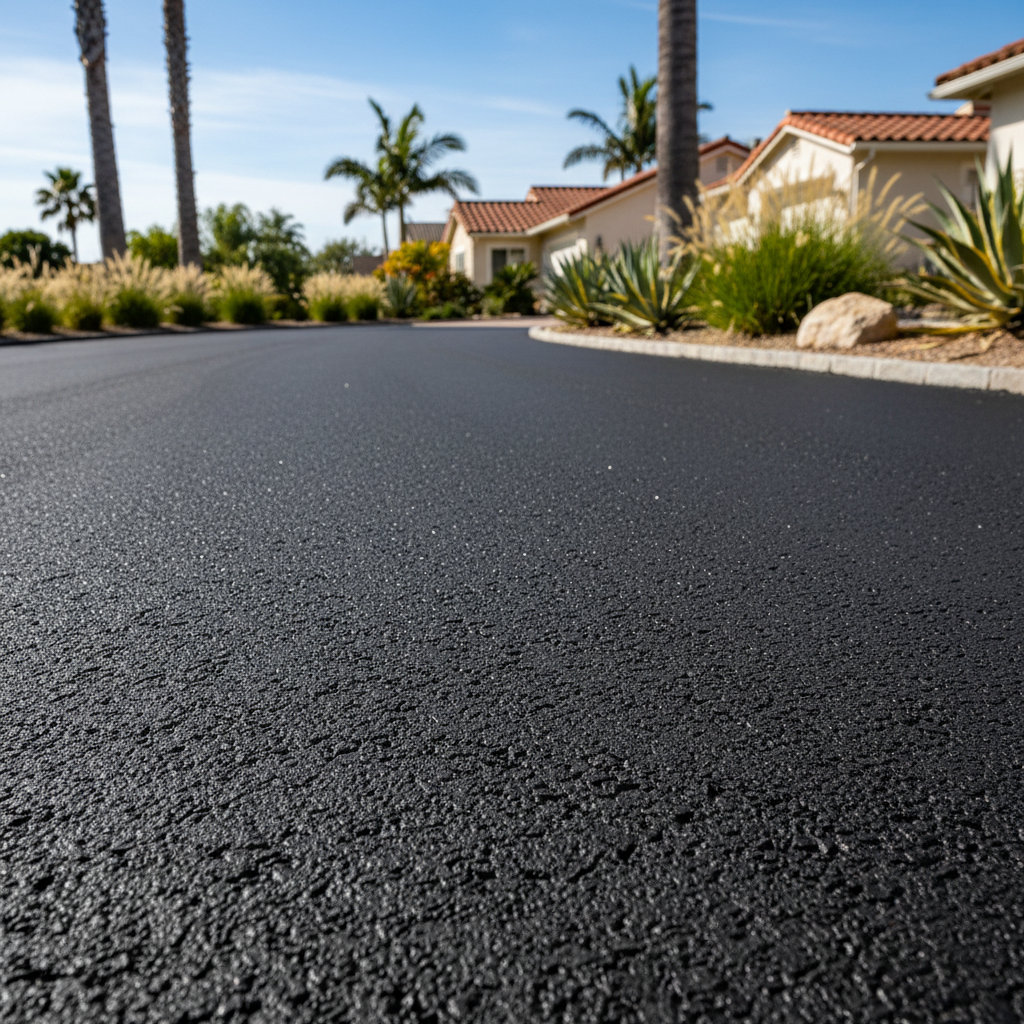
Alright, let's clear something up right away. When I talk about 'commercial asphalt,' most homeowners immediately think, 'That's not for me, I've got a driveway.' And you're mostly right, of course. But here in Newport Beach, especially in places like the Back Bay or even some of those bigger multi-family properties near the peninsula, you've got shared driveways, private roads, or even large parking areas that serve a few homes. Sometimes, what looks residential is actually built to commercial specs, or needs commercial-grade attention. So, if you're part of an HOA, or you share a private access road, this is definitely for you.
Before the Project: Planning & Prep
Before any shovel hits the ground, you've got to figure out what you're dealing with. Is it just a few cracks? Or is the whole thing looking like a jigsaw puzzle after a bad earthquake? You can walk the area yourself and get a good idea.
- Assess the Damage: Look for alligator cracking (lots of small, interconnected cracks), potholes, ruts, or areas where water pools. If it's just a few small cracks, you might be able to handle a temporary fix yourself.
- Drainage is Key: This is huge, especially with our occasional heavy rains here. Does water drain off properly, or does it just sit there? Standing water, you see, is asphalt's worst enemy. If you've got ponding, that's a sign of a bigger problem than just surface wear.
- Understand the Scope: Are we talking about a small patch, or a full resurface? If it's more than a few square feet of serious damage, or if the base underneath feels soft when you walk on it, you're probably looking at something beyond a DIY job.
- Permits: For larger projects, especially if you're changing grade or impacting public right-of-way, you'll need permits from the city. Don't skip this step; it'll save you headaches later.
For small, isolated cracks or minor potholes (think smaller than a dinner plate), you can buy cold patch asphalt at your local hardware store. Clean out the hole, pour in the patch, and tamp it down really well. It's not a permanent fix, but it'll get you by for a bit.
During the Project: What to Expect
If you've decided it's more than a DIY patch job, you're calling in a pro like Valley Paving. Here's what we'll typically do, and what you should be aware of.
- Evaluation & Quote: We'll come out, inspect the area thoroughly, and give you a detailed quote. This isn't just a number; it should explain what's being done, materials used, and a timeline.
- Base Repair: This is often the most critical part, and it's invisible once the new asphalt is down. If the base layer (the aggregate underneath the asphalt) isn't stable, any new asphalt will fail quickly. We might need to dig out soft spots, add new aggregate, and compact it properly. This is where a lot of contractors cut corners, and it's why you see new pavement failing in a couple of years.
- Asphalt Application: We'll lay down a fresh layer of hot mix asphalt. The thickness matters. For a heavy-traffic commercial area, you're looking at 2-3 inches compacted, sometimes more depending on the sub-base and expected loads.
- Compaction: Big rollers come in to compact the asphalt. This makes it dense and durable. You'll see us making multiple passes.
- Drainage Check: We're always keeping an eye on the grade to ensure proper water runoff. This is crucial for longevity.
Your role during this phase? Ask questions. Understand the process. Make sure the work aligns with the quote. And keep people and vehicles off the fresh asphalt for at least a few days, sometimes longer depending on the weather and mix.
After the Project: Maintenance & Longevity
So, you've got beautiful, smooth asphalt. Now what? You can't just forget about it. Proper maintenance will significantly extend its life.
- Sealcoating: This is like sunscreen for your asphalt. It protects against UV rays, water penetration, and oil spills. For commercial-grade asphalt, I usually recommend sealcoating every 2-3 years. You can buy sealcoat and apply it yourself for smaller areas if you're up for it, but it's messy and requires specific weather conditions. For anything substantial, hire a pro.
- Crack Filling: Keep an eye out for new cracks, even small ones. Fill them promptly with a hot pour crack filler (a professional job) or a good quality cold pour filler you can get at the store. Sealing cracks prevents water from getting into the base and causing bigger problems.
- Sweeping & Cleaning: Keep the surface free of debris, dirt, and oil spills. Oil and gas can break down asphalt over time.
- Drainage Checks: After a good rain, walk the area again. Are there any new spots where water is pooling? Address them before they become a major issue.
For those larger, shared areas, getting everyone on board with a maintenance plan is key. It's a shared investment, and neglecting it will cost everyone more down the road. If you've got questions about a specific area in your Newport Beach neighborhood, give Valley Paving a call. We've seen it all, from the tight spaces in Corona del Mar to the sprawling lots in Newport Coast, and we can help you figure out the best approach.