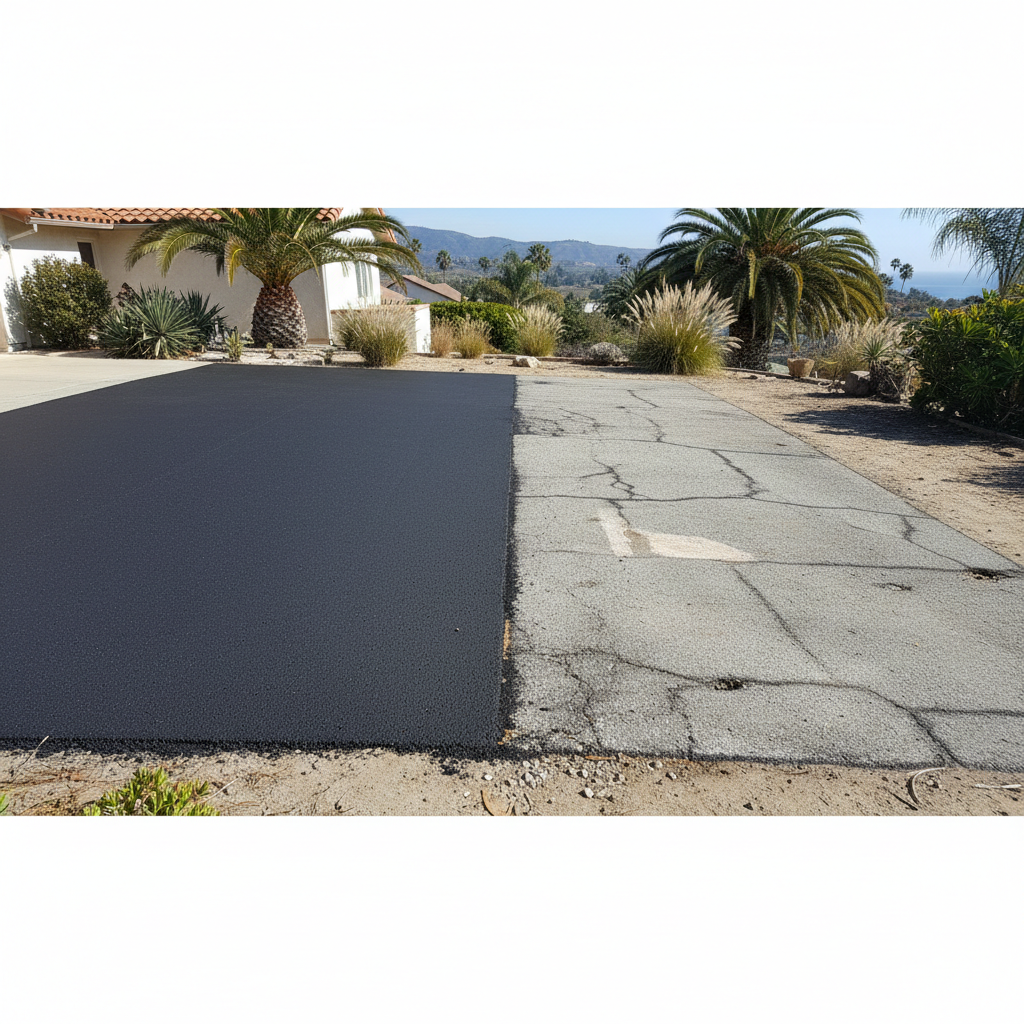
Your asphalt driveway isn't going to last forever, especially with our sunny Newport Beach weather and the occasional salt spray from the ocean. Eventually, you'll see cracks, potholes, or areas that just look tired. When that happens, you've got a couple of main ways to patch it up: infrared asphalt repair or the more traditional saw-cut and remove method. People ask me all the time which one's better, so let's get into it.
Infrared Asphalt Repair: The Quick Fix?
Infrared patching is pretty neat technology. What we do is use a special infrared heater to warm up the existing asphalt around the damaged area. We're talking about heating it to a point where it becomes pliable again, almost like it was when it was first laid down. Then, we rake out the loose stuff, add some fresh asphalt mix, and compact it all together. The idea is that you're fusing new asphalt with old, creating a seamless patch.
Here's what I've seen with infrared:
- Cost: It's usually cheaper upfront. Less labor, less material to haul away. If you've got a small, isolated pothole, this can be a very cost-effective solution.
- Speed: It's fast. We can get in and out pretty quickly, which means less disruption for you.
- Appearance: When it's done right, it can look pretty good initially. It blends in better than a hard-edged patch because there aren't any visible seams.
- Durability: This is where it gets tricky. While it's supposed to fuse, it's not always as strong as a full-depth repair. The existing asphalt underneath might have issues that infrared can't fix, like a weak base layer or poor drainage. Plus, if the original asphalt was already pretty degraded, heating it up again might not give you the best foundation for the new material. I've seen these patches fail faster in areas with heavy traffic or where water consistently sits.
- Maintenance: Not much different than any other asphalt. You'll still want to sealcoat regularly.
Saw-Cut and Replace: The Gold Standard
Now, the saw-cut method is what most people picture when they think about asphalt repair. We mark out the damaged area, usually in a neat square or rectangle, and then use a saw to cut out the old, failing asphalt. We dig out all the bad stuff, sometimes down to the base layer if that's compromised. Then, we clean the area, apply a tack coat to help the new asphalt bond, and fill it with fresh, hot asphalt mix. Finally, we compact it thoroughly.
Why do we often recommend this at Valley Paving?
- Cost: It's generally more expensive upfront than infrared. There's more labor involved, more material to remove, and more new material to bring in.
- Speed: It takes longer than infrared. Cutting, excavating, and then laying new asphalt is a more involved process.
- Appearance: You'll have visible seams where the new patch meets the old pavement. It's a clean edge, but it's definitely a patch.
- Durability: This is where it shines. Because you're removing all the compromised material and replacing it with fresh, properly compacted asphalt, you're getting a much stronger, longer-lasting repair. If there's an issue with the base, we can address it directly. This method creates a structurally sound repair that's built to last, even with the constant expansion and contraction we see with temperature swings here in Orange County.
- Maintenance: Just like any asphalt, regular sealcoating will extend its life.
Which One Should You Choose?
Honestly, it depends on the situation. For very minor, superficial cracks or small, isolated potholes that are caught early, infrared can be a decent, quick fix. It's like putting a band-aid on a small cut. If you're selling your house soon and just need something to look good for a few years, it might be enough.
But if you're looking for a repair that's going to hold up for the long haul, especially for larger areas, deeper damage, or if you're seeing multiple issues in one spot, the saw-cut and replace method is almost always the better investment. It addresses the root of the problem and gives you a much more durable patch. Think of it as getting stitches for a deeper wound – it's more involved, but it heals properly.
For most homeowners in Newport Beach, especially those with driveways that see daily use or have had issues with water pooling, I'd lean towards the saw-cut method. You'll pay a bit more now, but you'll save yourself headaches and more expensive repairs down the road. It's about getting the job done right the first time, so you don't have to worry about it again for a good long while.